Plenty of people now earn a little extra on the side. You might sell crafts on Etsy, drive for a delivery app, walk dogs at weekends, tutor online or hire out your power tools. The question we hear most often is simple: does HMRC need to know?
The answer depends on how much you earn, what you spend, and whether you are actually trading or just clearing out the loft. This guide explains the £1,000 trading allowance, how online platforms now report to HMRC, and what is changing.
Need your side income reported properly?
We prepare Self Assessment returns for side hustlers and the newly self-employed at a fixed fee. See what yours would cost.
Get a Fee EstimateTrading or just selling your old things?
Selling your own unwanted belongings (old clothes, a sofa, children’s toys) is not normally trading, so there is usually no income tax to pay. Things change when you buy items to resell, make goods to sell, or sell a service. That is a trade, and the profit is taxable.
HMRC looks at factors such as how often you sell, whether you set out to make a profit, and whether you bought or made the items with the intention of selling them.
What the £1,000 trading allowance does
Since 6 April 2017, individuals have been able to earn up to £1,000 of gross trading income each tax year tax free (ITTOIA 2005, Part 6A). If your total trading income is £1,000 or less, you do not need to tell HMRC or pay tax on it, as long as nothing else requires you to file a return.
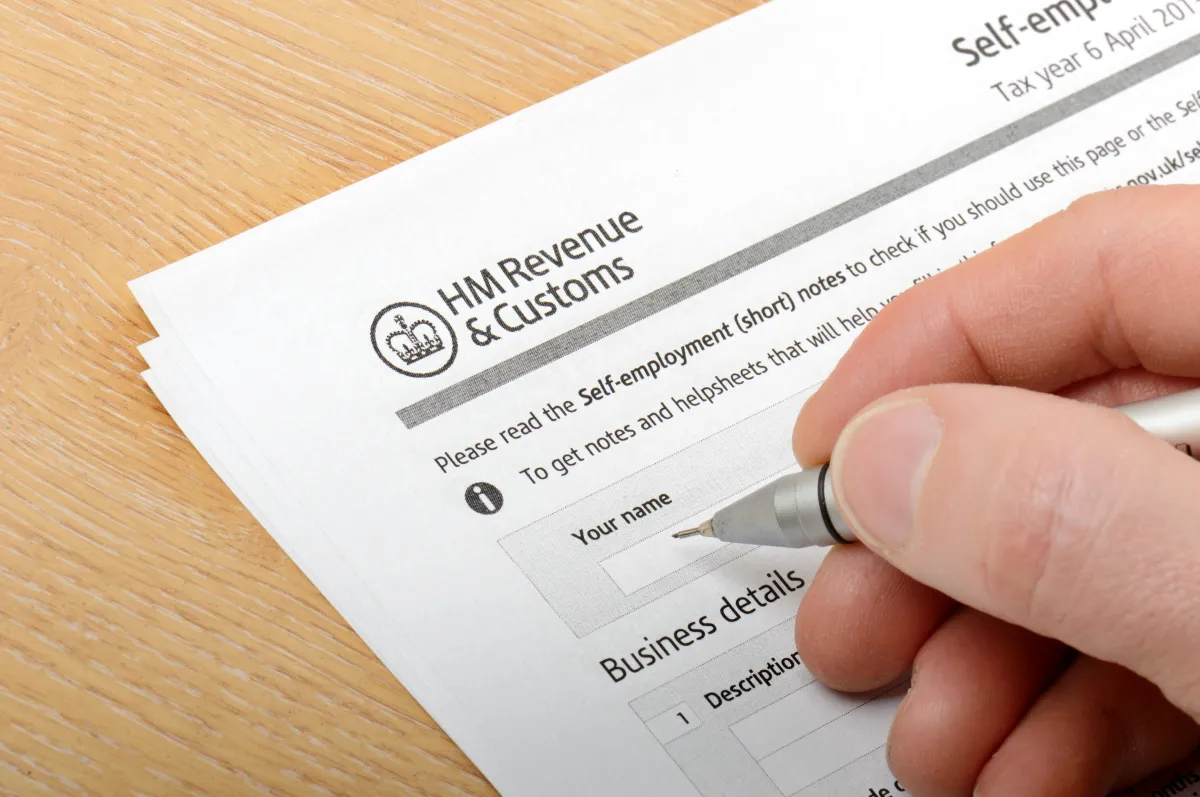
If your gross trading income is more than £1,000, you must register for Self Assessment. You then choose between two ways of working out your taxable profit:
- Actual expenses: income less your real allowable costs and any capital allowances.
- Partial relief: income less a flat £1,000 deduction instead of your real costs.
You pick whichever gives the lower profit. You can switch methods from one year to the next.
Worked example: Priya’s candle business
Priya works full time and pays basic rate tax. In 2026/27 she sells handmade candles online for £2,400. Her wax, jars and postage cost £600.
Using actual expenses, her profit is £2,400 less £600, which is £1,800. Tax at 20% is £360.
Using partial relief, her profit is £2,400 less £1,000, which is £1,400. Tax at 20% is £280.
Partial relief saves Priya £80. Her profit is well below the £12,570 Class 4 National Insurance lower profits limit, so there is no Class 4 to pay.
When the allowance does not help
- The allowance can reduce profit to nil, but it cannot create a loss. If your costs are higher than your income, claim actual expenses so the loss can potentially be carried forward or set against other income.
- The £1,000 covers all your trading income combined. If you are already self-employed, a second side business does not get its own allowance.
- It cannot be used for income from a company you (or someone connected to you) own or control, a partnership you or a connected person are in, or your employer or your spouse’s or civil partner’s employer.
Not sure if you are trading?
A quick chat can settle whether your online sales are taxable and which method saves you more. The call is free.
Book a Free CallOnline platforms now report to HMRC
Since 1 January 2024, digital platforms such as eBay, Vinted, Etsy and Airbnb have had to collect seller details and report them to HMRC under the Platform Operators (Due Diligence and Reporting Requirements) Regulations 2023. The same rules cover freelance marketplaces, ride and delivery apps, and accommodation lets.
| Activity | Reported if in a calendar year you… |
|---|---|
| Selling goods | Make 30 or more sales, or receive about £1,700 (€2,000) or more |
| Providing services | Provide any paid service through the platform |
| Letting property | Receive any rental income through the platform |
These thresholds only decide whether the platform reports you. They do not decide whether you owe tax. You could be reported and owe nothing because you were selling personal items, or owe tax without ever being reported. Your platform must tell you when it has shared your information.
Other reasons to register
Even when your income is below £1,000, registering can sometimes be worthwhile. For example, it may help you pay voluntary Class 2 National Insurance (£3.65 a week in 2026/27) to protect your State Pension record, show self-employed earnings for Maternity Allowance, or prove income for Tax-Free Childcare.
What is changing
In March 2025 the government announced plans to raise the Self Assessment reporting threshold for trading income from £1,000 to £3,000 during this Parliament. No start date has been confirmed yet. The tax-free allowance itself stays at £1,000, so people with income between £1,000 and £3,000 may still owe tax. HMRC plans a simpler online service for them to pay it without a full return.
Until the change actually happens, the current £1,000 rule applies. Keep a simple record of sales, costs and dates. With platform data now flowing straight to HMRC, good records are your best protection if questions are ever asked.
Get your side hustle return sorted
Tell us about your extra income and we will send a clear, fixed fee for registering and filing your return.
Get a Fee EstimateDisclaimer: This article is for general information only and does not constitute legal, tax or financial advice. Your specific position depends on your individual circumstances. Always speak to a qualified tax adviser before making any decisions.